

Wounds are a common part of everyday life, ranging from minor cuts and scrapes to surgical wounds and chronic ulcers. While some wounds heal naturally with basic care, others require proper treatment and medical attention to prevent complications. Understanding wound care is essential for maintaining healthy skin, preventing infections, and promoting faster recovery.
In this complete guide, we will explore the types of wounds, essential wound care practices, factors affecting healing, and the importance of professional wound care.
What Is Wound Care?
Wound care refers to the process of cleaning, protecting, and treating an injury to support the body’s natural healing process. Proper wound management helps reduce the risk of infection, minimize scarring, and promote tissue repair.
Wound care can involve simple first aid at home or specialized medical treatment for complex wounds. The appropriate approach depends on the wound’s type, size, depth, location, and overall condition.
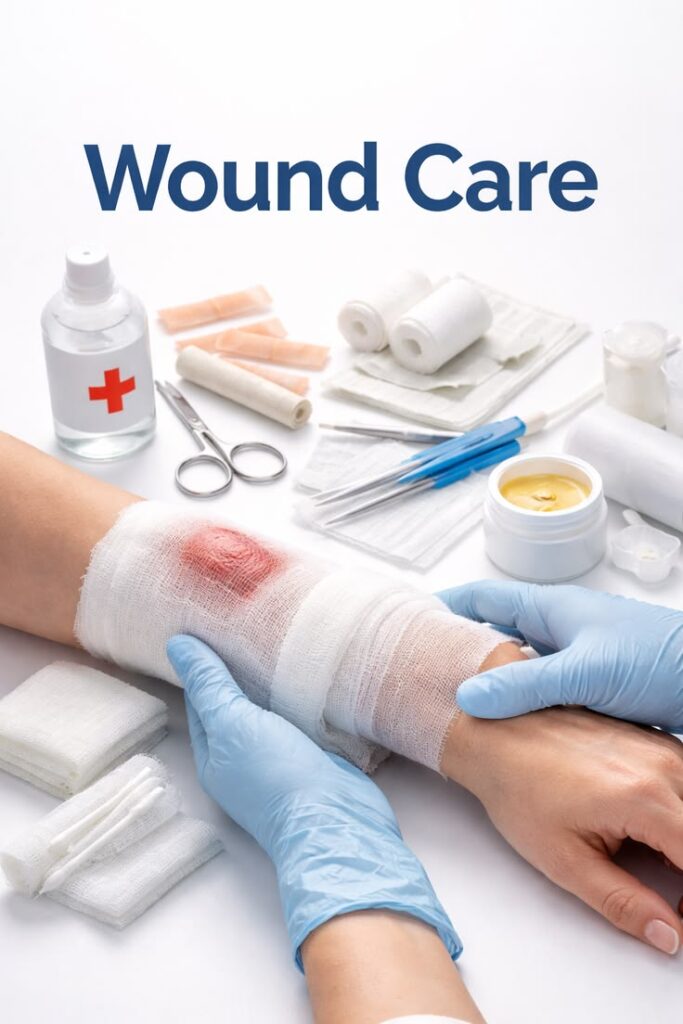
Types of Wounds
Understanding the different types of wounds helps determine the appropriate care and treatment.
- Acute wounds: These include cuts, abrasions, burns, and surgical incisions that generally heal within a predictable period.
- Chronic wounds: These wounds take longer than expected to heal and may include diabetic foot ulcers, pressure ulcers, and venous leg ulcers.
- Surgical wounds: These occur after medical procedures and require proper cleaning, dressing, and monitoring.
- Traumatic wounds: These result from accidents, falls, or injuries and may need professional assessment depending on their severity.
Each wound requires an appropriate care plan to support healing and prevent complications.
Essential Steps for Proper Wound Care
Following the correct wound care practices can significantly improve healing outcomes.
1. Clean the Wound Properly
Wash your hands before touching the wound. Gently rinse minor wounds with clean running water and clean the surrounding skin with mild soap. Avoid using harsh chemicals or strong antiseptics inside the wound unless advised by a healthcare professional.
2. Control Bleeding
Apply gentle, firm pressure using sterile gauze or a clean cloth. Seek urgent medical care if the bleeding is severe, the wound is deep, or the bleeding does not stop.
3. Apply an Appropriate Dressing
A suitable wound dressing protects the injured area from dirt, reduces friction, and helps maintain a healing-friendly environment. The dressing should match the wound’s size, location, and drainage level.
4. Keep the Wound Protected
Change dressings as directed or whenever they become wet, dirty, or loose. Avoid unnecessary touching and follow the care instructions provided by your healthcare professional.
5. Monitor for Signs of Infection
Watch for increasing redness, swelling, warmth, worsening pain, pus, or fever. Seek medical advice if these symptoms develop or the wound is not healing as expected.
Factors That Affect Wound Healing
Wound healing varies from person to person. Several factors can influence the recovery process, including:
- Nutrition: Protein, vitamins, minerals, and adequate calories support tissue repair.
- Hydration: Drinking enough water supports normal body functions and recovery.
- Underlying health conditions: Diabetes, poor circulation, and certain immune system disorders can delay healing.
- Age: Healing may take longer as people grow older.
- Infection: Bacterial infections can damage tissue and slow recovery.
- Smoking: Smoking can reduce oxygen delivery to tissues and interfere with healing.
Maintaining a healthy lifestyle and managing existing medical conditions can help improve wound healing.
When Should You Seek Professional Wound Care?
Although minor wounds can often be managed at home, professional assessment is important for deep wounds, animal or human bites, serious burns, infected wounds, and wounds that fail to heal.
People with diabetes or poor circulation should seek medical advice promptly for foot wounds, even when the injury appears minor. Check your tetanus vaccination status after injuries that may carry a risk of tetanus.
Severe bleeding, a deep or gaping wound, loss of sensation, or signs of a serious infection require urgent medical attention.
The Importance of Choosing the Right Wound Care Products
Quality wound care products play an important role in protecting injured skin and supporting recovery. Products such as sterile gauze, wound dressings, medical tapes, and appropriate cleansing solutions help maintain cleanliness and protect wounds during healing.
However, no single product is suitable for every wound. Selecting the right product and following professional guidance can help improve comfort, support healing, and reduce the risk of complications.
Conclusion
Proper wound care is essential for preventing infections, supporting natural healing, and maintaining overall health. From cleaning minor cuts to managing chronic wounds, understanding the right care practices can make a significant difference in recovery. Early attention, suitable wound dressings, and professional guidance are key to achieving better healing outcomes.
BSS Health Care is committed to supporting better healthcare through a focus on quality, care, and reliable healthcare solutions. When it comes to wound care, choosing appropriate products and following the right practices can help you take an important step toward safer and healthier healing. Trust BSS Health Care as you prioritize effective wound care and overall well-being.