
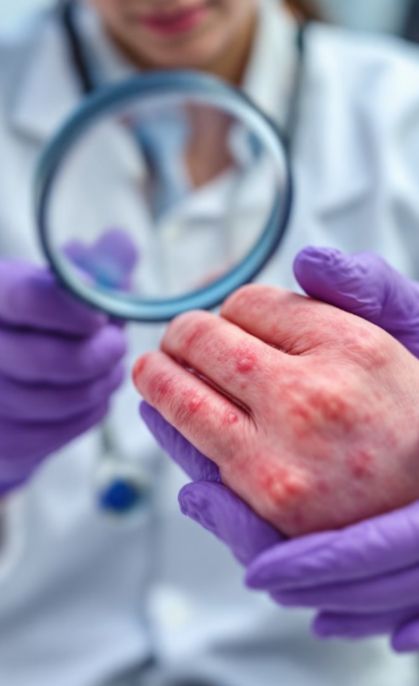
Wound healing is a natural process through which the body repairs damaged skin and underlying tissues. Whether caused by a minor cut, a surgical procedure, a burn, or a chronic condition, every wound goes through a series of healing stages. Understanding these stages helps individuals recognize normal healing, maintain proper wound care, and identify signs that may require medical attention. With appropriate wound management, proper nutrition, and suitable wound care products, the healing process can progress more effectively. In this blog, we explore the four main stages of wound healing and explain how proper care supports recovery.
What Is Wound Healing?
Wound healing is the body’s biological response to tissue injury. It involves several coordinated activities, including stopping bleeding, preventing infection, removing damaged cells, rebuilding tissue, and strengthening the repaired area.Although the stages are described separately, they often overlap. Healing time varies depending on the wound’s size, depth, location, blood supply, and the individual’s overall health. Conditions such as diabetes, poor circulation, and inadequate nutrition can delay recovery.
The Four Stages of Wound Healing
1. Hemostasis: Stopping the Bleeding
Hemostasis is the first stage of wound healing and begins immediately after an injury. Its primary purpose is to stop bleeding and protect the body from excessive blood loss.When blood vessels are damaged, they constrict to reduce blood flow. Platelets then gather at the injured site and form a temporary plug. Clotting proteins strengthen this plug by creating a fibrin network, which helps stabilize the clot.
How to support this stage:
- Apply gentle, continuous pressure with a clean dressing or sterile gauze to control bleeding.
- Keep the wound protected from dirt and contamination.
- Seek urgent medical attention if bleeding is severe or does not stop with firm, continuous pressure.
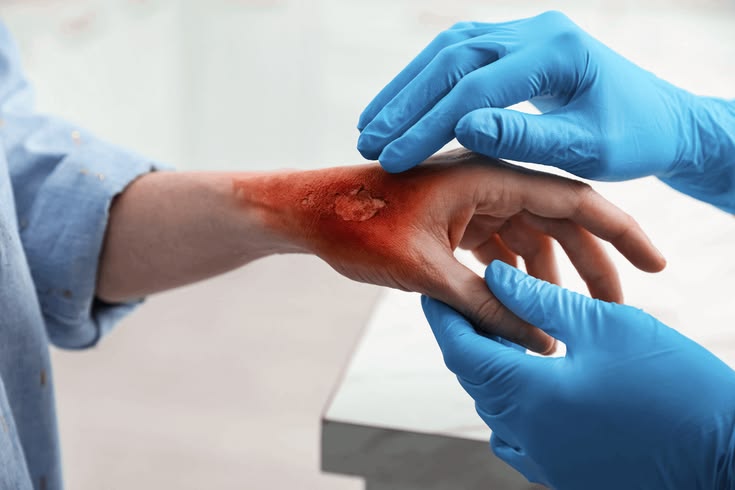
2. Inflammatory Phase: Protecting the Wound
The inflammatory phase begins soon after injury and typically lasts for several days, although its duration varies. During this stage, the immune system helps protect the wound against infection and clears damaged tissue.White blood cells move to the injured area to remove bacteria, dead cells, and debris. Mild redness, swelling, warmth, and tenderness around a fresh wound can be normal signs of inflammation.However, increasing pain, spreading redness, worsening swelling, pus, or fever may indicate an infection and should be assessed by a healthcare professional.
How to support this stage:
- Clean the wound gently with clean running water or an appropriate wound-cleansing solution.
- Use a suitable dressing to protect the area from external contamination.
- Avoid picking at the wound or removing scabs unnecessarily.
- Follow professional advice for wounds that are deep, infected, or slow to heal
3. Proliferative Phase: Rebuilding New Tissue
The proliferative phase focuses on repairing the damaged area. It generally begins within a few days of injury and may continue for several weeks, depending on the wound.
During this stage, the body produces new tissue through several important processes:
- Granulation: New connective tissue and small blood vessels develop within the wound.
- Collagen production: Fibroblast cells produce collagen, which provides structural support.
- Epithelialization: New skin cells grow across the wound surface.
- Wound contraction: The wound edges gradually move closer together
A healthy wound may appear pink or reddish as new tissue develops.
How to support this stage:
- Maintain an appropriately moist wound environment using a suitable dressing recommended by a healthcare professional.
- Change dressings according to product instructions and clinical advice.
- Eat a balanced diet containing adequate protein, vitamins, minerals, and fluids.
- Avoid smoking, as it can impair circulation and delay tissue repair.
4. Maturation and Remodeling Phase: Strengthening the Tissue
The maturation phase is the final stage of wound healing. It may begin within a few weeks and continue for several months or even longer.During this period, collagen fibers reorganize, and the newly formed tissue gradually becomes stronger. The scar may flatten, soften, and change color over time. However, healed skin generally does not regain the full strength or structure of uninjured skin.
How to support this stage:
- Protect newly healed skin from excessive friction and injury.
- Follow healthcare professional guidance on scar care.
- Use sun protection on exposed healed areas to help reduce scar discoloration.
- Monitor the area for recurring breakdown, discomfort, or other unusual changes.
Factors That Affect Wound Healing
Several factors can influence how quickly and effectively a wound heals, including:
- Age: Healing may become slower with advancing age.
- Nutrition: Protein and essential nutrients support tissue repair.
- Chronic conditions: Diabetes and poor circulation can delay healing.
- Infection: Bacterial contamination can interrupt the healing process.
- Wound care: Inappropriate dressings or repeated trauma may damage fragile tissue.
- Lifestyle: Smoking and inadequate rest can negatively affect recovery.
Wounds that do not show improvement, repeatedly reopen, or develop signs of infection should be evaluated by a qualified healthcare professional.
Conclusion
Understanding the four stages of wound healing—hemostasis, inflammation, proliferation, and maturation—helps individuals make informed decisions about wound care and recovery. Each stage plays an essential role in restoring the skin’s protective barrier and repairing damaged tissue.
At BBS Healthcare, we recognize the importance of appropriate wound management and quality wound care solutions in supporting the healing process. By combining suitable wound care products with proper hygiene, nutritional support, and professional medical guidance, individuals can take important steps toward safer and more effective wound recovery. Choosing the right care at every stage can make a meaningful difference in protecting the wound and supporting long-term healing