
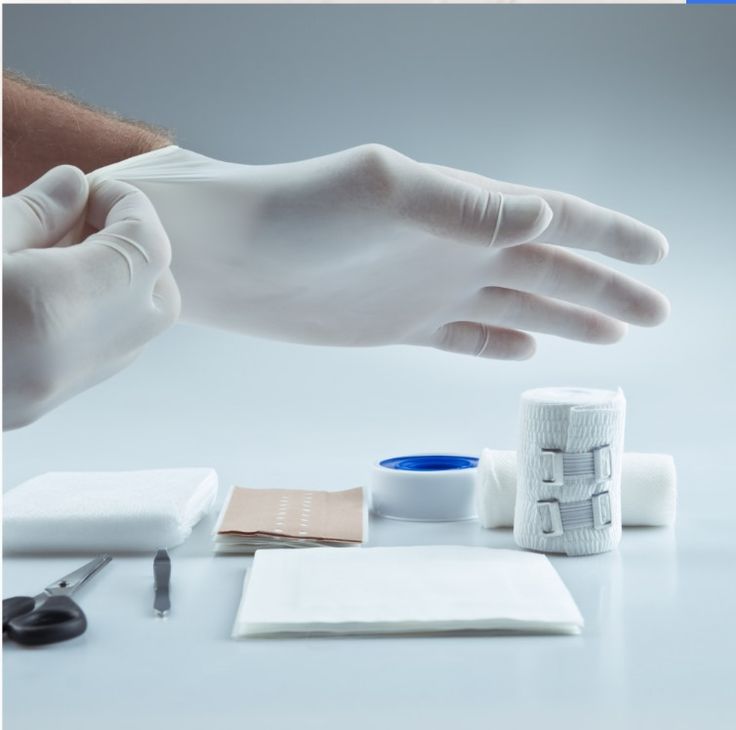
Wounds can occur due to accidents, surgeries, burns, or chronic health conditions. While minor injuries may heal with basic first aid, many wounds require professional care to ensure proper healing and prevent complications. Professional wound dressing plays a vital role in protecting injured tissue, reducing infection risks, and supporting the body’s natural healing process.
Understanding the importance of professional wound dressing can help individuals make informed healthcare decisions and achieve better recovery outcomes.
What Is Professional Wound Dressing?
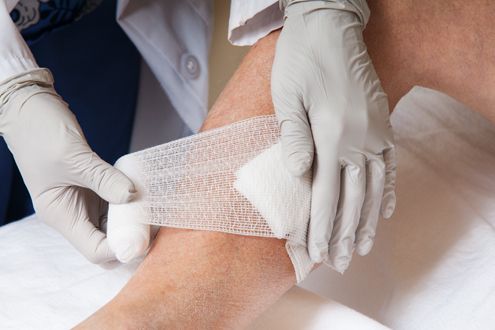
Professional wound dressing is the process of assessing, cleaning, and covering a wound using appropriate medical techniques and specialized wound care products. It is performed by trained healthcare professionals who understand the specific requirements of different wounds.
Unlike simply covering an injury, professional wound dressing involves evaluating the wound’s condition, managing drainage, protecting surrounding skin, and selecting suitable dressing materials. The approach depends on the wound’s size, depth, location, and healing stage.
Professional wound care is particularly important for surgical wounds, diabetic foot ulcers, pressure sores, burns, and chronic wounds that take longer than expected to heal.
Why Is Professional Wound Dressing Important?
1. Helps Reduce the Risk of Infection
One of the primary benefits of professional wound dressing is reducing the risk of infection. Open wounds can be exposed to bacteria and other contaminants, potentially causing inflammation, delayed healing, and further complications.
Healthcare professionals follow appropriate hygiene procedures and use suitable wound care materials to protect the affected area. Regular wound assessment also helps identify possible signs of infection early.
2. Supports Faster and Healthier Healing
Proper wound dressing creates a suitable environment for tissue repair. Many modern dressings help maintain an appropriate moisture balance, protect newly forming tissue, and manage wound drainage.
Choosing the correct dressing can support the body’s natural healing process while reducing unnecessary damage during dressing changes. However, healing time varies depending on the wound type, overall health, and underlying medical conditions.
3. Protects the Wound from External Contaminants
A suitable wound dressing acts as a protective barrier against dirt, friction, and external irritation. Professional application helps ensure that the dressing fits properly and provides the necessary protection.
This is especially important for wounds in areas exposed to frequent movement, clothing, or accidental contact.
4. Improves Management of Chronic Wounds
Chronic wounds, including diabetic foot ulcers, pressure ulcers, and venous leg ulcers, often require ongoing medical attention. These wounds may be affected by poor circulation, diabetes, or prolonged pressure.
Professional wound dressing helps manage drainage, protect surrounding skin, and monitor healing progress. Treating underlying conditions and reducing pressure on affected areas are also essential parts of effective wound management.
5. Reduces Pain and Discomfort
Incorrect dressing materials or improper removal techniques can cause unnecessary discomfort and damage delicate tissue. Healthcare professionals select suitable dressings based on the wound’s condition and the patient’s needs.
Appropriate dressing choices can improve comfort, protect fragile skin, and make dressing changes easier to manage.
6. Enables Early Detection of Complications
Regular professional assessment allows healthcare providers to monitor changes in the wound and identify potential problems, such as increasing redness, swelling, unusual discharge, worsening pain, or delayed healing.
Early identification helps patients receive timely treatment and reduces the risk of complications becoming more serious.
Common Types of Wound Dressings
Different wounds require different dressing materials. Common options include:
- Gauze dressings: Used for wound coverage and absorbing drainage when appropriate.
- Foam dressings: Help absorb wound fluid and provide cushioning.
- Hydrocolloid dressings: Support a moist healing environment for selected wounds.
- Alginate dressings: Suitable for certain wounds with moderate to heavy drainage.
- Transparent film dressings: Protect suitable superficial wounds while allowing visual monitoring.
The most appropriate dressing depends on the wound’s condition and should be selected with professional guidance.
When Should You Seek Professional Wound Care?
Professional wound assessment is recommended for deep cuts, surgical wounds, burns, diabetic foot injuries, pressure sores, infected wounds, and injuries that are not healing as expected.
Seek prompt medical attention if you notice pus, spreading redness, increasing pain, swelling, or fever. Severe bleeding, deep or gaping wounds, and serious burns require urgent medical care.
People with diabetes or poor circulation should seek medical advice promptly for foot wounds, even if the injury appears minor.