
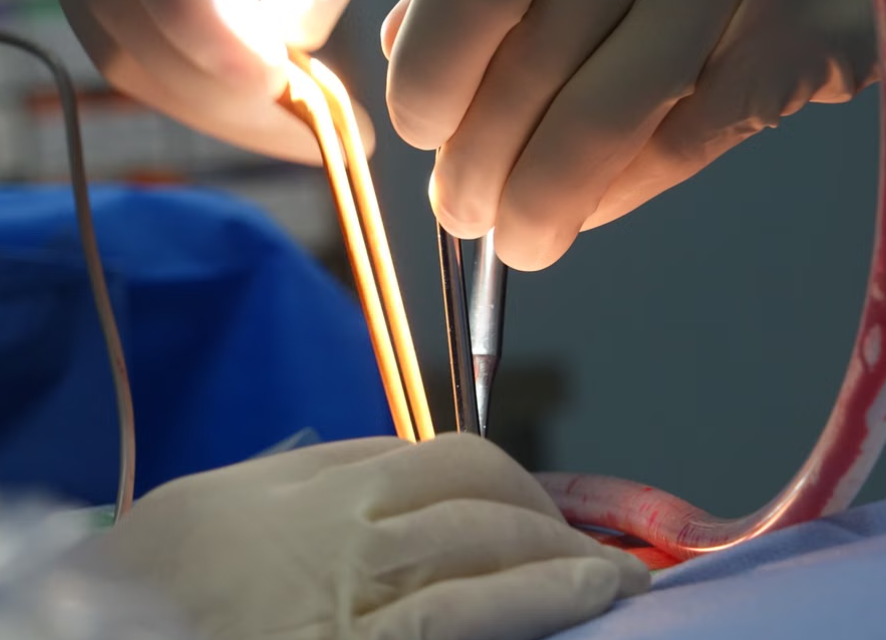
Proper surgical wound care is essential for a safe recovery after any surgical procedure. While most surgical wounds heal without complications, some may become infected, heal slowly, or develop wound breakdown due to underlying health conditions such as diabetes, poor circulation, obesity, or weakened immunity. At BSS Healthcare International, we provide comprehensive Surgical Wound Care in Kerala, Kochi, using evidence-based wound management techniques, advanced wound dressings, and personalized treatment plans to promote faster healing and reduce the risk of complications.
Our multidisciplinary wound care team provides specialized care for both routine and complex surgical wounds, ensuring that each patient receives individualized treatment based on the type of surgery, wound condition, and overall health status.
Surgical wound care involves the assessment, treatment, and ongoing management of wounds created during surgical procedures. The primary goals are to promote proper healing, prevent infection, reduce pain, protect surrounding tissue, and minimize scarring.
Effective surgical wound care includes regular wound assessment, appropriate dressing selection, infection prevention, wound cleaning, and patient education to ensure optimal recovery.
At BSS Healthcare International, we provide care for a wide range of surgical wounds, including:
Our team carefully evaluates each wound and develops a personalized care plan to support effective healing.
Although mild discomfort is normal after surgery, certain symptoms may indicate delayed healing or infection.
You should seek specialist wound care if you experience:
Early intervention can prevent serious complications and improve recovery.
Every patient receives a comprehensive wound assessment followed by an individualized treatment plan based on the type of surgery and healing progress.
Our specialists assess the wound’s size, depth, tissue condition, drainage, pain level, surrounding skin, and signs of infection to determine the most appropriate treatment.
We use advanced wound care dressings that maintain an optimal healing environment, manage wound moisture, protect against infection, reduce pain during dressing changes, and support tissue regeneration.
If necessary, damaged or non-viable tissue is carefully removed to encourage healthy healing and reduce bacterial contamination.
Our wound care team follows strict infection prevention protocols and closely monitors healing to identify and treat infections at the earliest stage.
For selected patients with complex, high-risk, or slow-healing surgical wounds, Negative Pressure Wound Therapy (NPWT) may be recommended to remove excess wound fluid, improve blood circulation, stimulate granulation tissue formation, and accelerate healing.
Proper wound management continues even after the incision has healed. We provide guidance on scar care, skin protection, activity modification, and follow-up assessments to support long-term recovery.
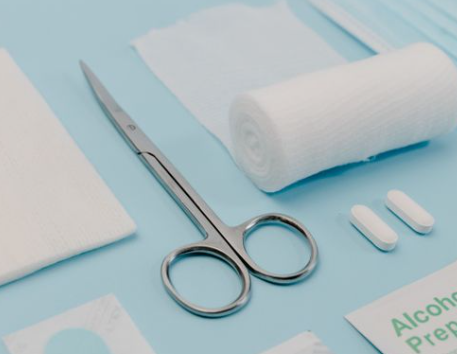
Patients and caregivers receive practical guidance on:
Early and specialized surgical wound management offers several advantages, including:
Patients trust BSS Healthcare International because we provide:
Our goal is to ensure every surgical wound heals safely, efficiently, and with the lowest possible risk of complications, helping patients return to their normal lives with confidence.
FAQ
Surgical wound care involves the assessment, treatment, and ongoing management of wounds following surgery. It helps promote healing, prevent infection, reduce complications, and support a safe recovery.
Healing time depends on the type of surgery, the patient’s overall health, and the size of the wound. Most surgical incisions begin to heal within 2 to 4 weeks, while deeper or more complex wounds may require additional time and specialized care.
Signs of infection include increased redness, swelling, warmth, persistent pain, pus or foul-smelling discharge, fever, and delayed healing. If you notice any of these symptoms, seek medical attention promptly.
You should consult a wound care specialist if your surgical wound is slow to heal, opens after surgery (wound dehiscence), becomes infected, drains excessively, or if you have medical conditions such as diabetes or poor circulation that increase the risk of delayed healing.
Advanced wound care may be recommended for infected surgical wounds, non-healing incisions, wound dehiscence, skin graft sites, amputation wounds, vascular surgery wounds, orthopaedic surgical wounds, and other complex post-operative wounds.
Negative Pressure Wound Therapy (NPWT) is an advanced treatment that uses controlled suction to remove excess wound fluid, improve blood flow, stimulate healthy tissue growth, and accelerate healing in selected surgical wounds.
Yes. Advanced wound dressings create an ideal healing environment, maintain moisture balance, reduce infection risk, protect healthy tissue, and improve patient comfort, which can support faster healing.
Follow your healthcare provider’s wound care instructions, keep the wound clean and dry, eat a balanced diet, manage chronic conditions such as diabetes, avoid smoking, attend follow-up appointments, and seek medical care if you notice signs of infection or delayed healing.
Yes. BSS Healthcare International offers comprehensive Surgical Wound Care in Kerala, Kochi, including wound assessment, advanced wound dressings, infection management, NPWT, wound monitoring, and personalized treatment plans to promote safe and effective recovery.