
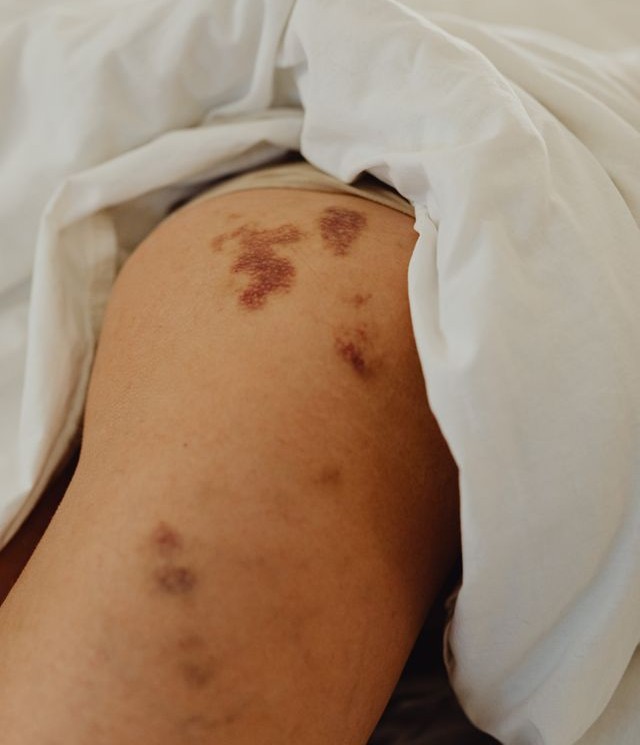
A venous leg ulcer is a chronic wound that usually develops on the lower leg or around the ankle due to chronic venous insufficiency, a condition where the veins cannot efficiently return blood to the heart. Without timely treatment, these ulcers can become painful, infected, and difficult to heal, significantly affecting mobility and quality of life.
At BSS Healthcare International, we provide comprehensive Venous Leg Ulcer Treatment in Kerala, Kochi, using evidence-based wound care protocols, advanced wound dressings, compression therapy, and personalized treatment plans. Our multidisciplinary team focuses on healing the wound while addressing the underlying venous disease to reduce recurrence and improve long-term outcomes.
A venous leg ulcer is an open sore that develops when poor blood circulation causes increased pressure inside the leg veins. This pressure damages the skin and surrounding tissues, making it difficult for wounds to heal naturally.
Venous leg ulcers account for the majority of chronic leg ulcers and commonly occur on the inner side of the ankle or lower leg. Early diagnosis and specialist wound care are essential to prevent infection, prolonged healing, and recurrent ulcers.
Venous leg ulcers develop when the valves inside the leg veins become damaged or weakened, preventing blood from flowing efficiently back to the heart.
Common causes and risk factors include:
Understanding the underlying cause allows our specialists to develop an effective long-term treatment plan.
Common symptoms include:
At BSS Healthcare International, every patient receives a personalized treatment plan based on a detailed wound assessment, circulation evaluation, and overall health condition.
Our specialists assess the wound’s size, depth, tissue quality, drainage, infection status, and surrounding skin to determine the most appropriate treatment approach.
We use clinically proven advanced wound care dressings that maintain an optimal moist healing environment, absorb excess wound drainage, reduce infection risk, and support healthy tissue regeneration.
Compression therapy is considered the gold standard treatment for venous leg ulcers. By improving venous blood flow and reducing swelling, compression bandages or stockings help accelerate healing and minimize the risk of recurrence.
When required, non-viable or damaged tissue is carefully removed to encourage healthy tissue growth and improve the effectiveness of wound healing.
Our wound care specialists closely monitor for signs of infection and implement evidence-based infection control measures to protect healthy tissue and promote recovery.
For selected patients with complex or non-healing venous leg ulcers, Negative Pressure Wound Therapy (NPWT) may be recommended to remove excess wound fluid, stimulate granulation tissue formation, and accelerate healing.
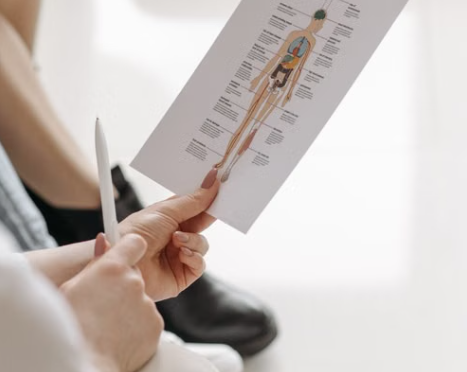
Long-term healing depends on proper self-care. We educate patients about:
Early diagnosis and specialist care provide several important benefits, including:
Patients choose BSS Healthcare International because we provide:
Our goal is not only to heal the wound but also to treat the underlying venous condition, helping patients achieve lasting recovery and reduce the risk of future ulcers.
FAQ
A venous leg ulcer is a chronic wound that usually develops on the lower leg or around the ankle due to poor blood circulation caused by chronic venous insufficiency. These ulcers require specialized treatment to heal effectively and prevent recurrence.
Venous leg ulcers are commonly caused by chronic venous insufficiency, where damaged leg veins prevent blood from flowing efficiently back to the heart. Other risk factors include varicose veins, previous deep vein thrombosis (DVT), obesity, leg swelling, and reduced mobility.
Common symptoms include:
Treatment typically includes advanced wound dressings, compression therapy, wound debridement, infection management, and lifestyle modifications. At BSS Healthcare International, treatment plans are personalized based on the patient’s condition and the underlying cause of the ulcer.
Compression therapy uses specially designed bandages or compression stockings to improve blood circulation in the legs, reduce swelling, and promote wound healing. It is considered the gold standard treatment for most venous leg ulcers.
Yes. With early diagnosis, appropriate wound care, compression therapy, and management of the underlying venous disease, many venous leg ulcers can heal successfully. Following preventive measures also helps reduce the risk of recurrence.
Healing time varies depending on the size of the ulcer, blood circulation, infection status, overall health, and adherence to treatment. Many patients experience significant improvement within weeks, while larger or chronic ulcers may require several months of specialized care.
Yes. Venous leg ulcers can recur if the underlying circulation problem is not managed. Wearing compression stockings, staying physically active, maintaining a healthy weight, and attending regular follow-up appointments can help prevent recurrence.
People with chronic venous insufficiency, varicose veins, diabetes, obesity, reduced mobility, previous DVT, or a history of leg ulcers are at a higher risk of developing venous leg ulcers.
You should consult a wound care specialist if you have a wound on your leg that has not healed within 2 to 4 weeks, is becoming larger, shows signs of infection, or is associated with swelling, pain, or skin discoloration.
Yes. BSS Healthcare International offers comprehensive venous leg ulcer treatment, including advanced wound care dressings, compression therapy, wound assessment, debridement, infection management, and personalized treatment plans to promote faster healing and prevent recurrence.
You can contact BSS Healthcare International to schedule a comprehensive wound assessment. Our specialists will evaluate your condition and recommend a personalized treatment plan based on your wound, circulation, and overall health.